
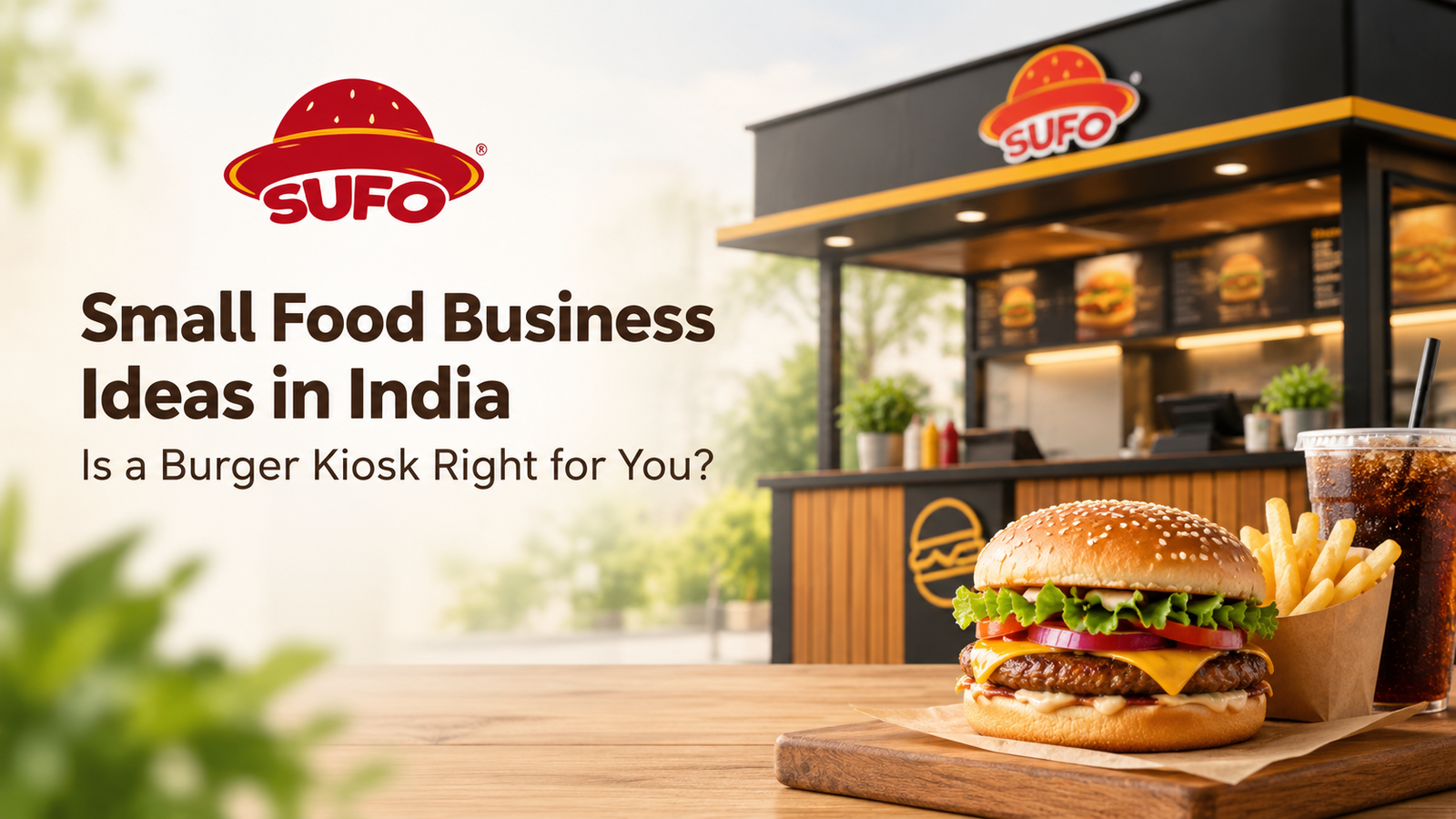
Starting a meals business is an interesting concept for lots aspiring entrepreneurs in India. Whether you are a first-time commercial enterprise owner, a running professional planning a career change, or a person looking to expand an existing business, the meals industry offers numerous commercial enterprise fashions to discover.
From tea stalls and cloud kitchens to cafés, meals vehicles, and short-provider restaurants (QSRs), there are special ways to enter the marketplace. However, deciding on the proper enterprise relies upon greater than simply the food you want to sell. Your location, goal clients, working expenses, opposition, and potential to maintain first-class all play a crucial role.
One choice well worth considering is a burger kiosk business. With a focused menu, a compact carrier vicinity, and an emphasis on short orders, a burger kiosk might also fit marketers who want to explore the fast-service food phase without establishing a huge dine-in eating place.
But is it the proper choice for you? Let’s take a look at the maximum sensible small food business ideas in India and recognize wherein a burger kiosk fits in.
Best Small Food Business Ideas in India
Before choosing a business, consider your budget, experience, available space, and the type of customers you want to serve. Here are some options worth researching.
1. Tea and Coffee Stall
Tea and coffee businesses can serve customers looking for affordable refreshments during their daily routines. Office areas, educational institutions, markets, and transport hubs may offer potential locations, depending on local permissions and competition.
The business can start with a focused menu, but success depends on consistent taste, convenient service, suitable pricing, and regular customers.
2. Street Food and Snacks Outlet
Indian snacks such as sandwiches, rolls, momos, samosas, and regional specialities attract customers looking for convenient meals. A small outlet can focus on a few popular items instead of trying to offer everything.
Food safety, ingredient storage, preparation time, and menu pricing should be considered before choosing this model.
3. Home-Based Bakery or Dessert Business
Entrepreneurs interested in baking can explore cakes, cookies, brownies, cupcakes, and other desserts. Depending on the business model, orders may come through social media, local referrals, or online platforms.
However, production capacity, packaging, delivery arrangements, food safety, and applicable registrations need careful planning.
4. Cloud Kitchen
A cloud kitchen prepares food primarily for delivery rather than dine-in customers. This model may appeal to people who want to focus on food preparation and delivery operations.
Before investing, research delivery-platform charges, packaging expenses, customer acquisition costs, kitchen requirements, and competition in your service area.
5. Juice and Beverage Outlet
Juice, shakes, smoothies, and other beverages can work in locations where customers value convenience and suitable refreshment options. Demand may vary by season, weather, and neighbourhood.
Ingredient freshness, refrigeration, hygiene, and product wastage are important factors to evaluate.
6. Burger Kiosk Business
A burger kiosk focuses on a popular fast-food category through a compact counter or takeaway-oriented format. Instead of operating a large restaurant, the business can concentrate on a limited menu, efficient preparation, and convenient ordering.
The concept may be worth evaluating near shopping areas, commercial streets, food courts, or other locations with suitable customer footfall. However, actual demand and profitability depend on rent, competition, pricing, and operational performance.
For entrepreneurs who want to explore a branded concept rather than develop everything independently, a burger franchise is another option to consider.
What Is a Burger Kiosk Business?
A burger kiosk is a compact food-service outlet that specialises in preparing and serving burgers. Depending on its design and location, it may offer takeaway, counter service, delivery, or limited seating.
Unlike a traditional restaurant with a large dining area, a kiosk generally focuses on making ordering and serving more convenient.
A typical burger kiosk may offer:
- Classic vegetarian and non-vegetarian burger options, where available
- Signature burgers with distinctive fillings and sauces
- Fries, sides, and suitable add-on items
- Beverages and meal combinations
- Takeaway and delivery options, where operationally suitable
The main advantage of this format is its focused operation. A smaller menu can make purchasing, preparation, inventory management, and staff training easier to organise, although the actual workload depends on customer demand and the menu.
For a new entrepreneur, the important question is whether a compact burger outlet can meet the needs of customers in the chosen location while covering its operating costs.
Is a Burger Kiosk a Good Small Business Idea?
A burger kiosk may be a suitable option for some entrepreneurs, but it is not automatically the best choice for everyone.
Here are five factors to evaluate before making a decision.
1. A Focused Menu Can Simplify Operations
A carefully planned menu allows a business to concentrate on a smaller selection of products. This can help with ingredient purchasing, preparation processes, stock monitoring, and staff training.
However, keeping the menu focused does not mean compromising on quality. Customers expect consistent taste, appropriate portion sizes, freshness, and hygienic preparation.
2. Location Can Influence Customer Demand
The location of a burger kiosk can have a significant effect on its performance.
Potential locations to research include:
- Shopping complexes and food courts
- College and university areas
- Commercial and office districts
- Busy market streets
- Residential neighbourhoods with suitable takeaway demand
For example, an entrepreneur considering a kiosk in Lucknow might compare commercial areas, shopping destinations, and neighbourhood markets. Someone researching Kanpur, Noida, Jaipur, or another Indian city should conduct the same exercise using local footfall, rent, competition, and customer preferences.
A busy location is not necessarily a profitable one. High rent, limited visibility, difficult access, or strong competition can reduce the benefits of footfall.
3. Takeaway Service Can Support Convenience
A burger kiosk can be designed around quick ordering and takeaway. Depending on the location and customer base, delivery may provide an additional sales channel.
To make these channels work, the business needs suitable packaging, reliable order handling, clear menu pricing, and preparation processes that maintain food quality.
Delivery should be assessed carefully because commissions, discounts, and packaging costs can affect the amount retained from each order.
4. Branding Can Help a Business Stand Out
Customers often have several food options in the same area. A recognisable brand, distinctive menu, consistent presentation, and clear communication can help a business create a memorable experience.
A burger kiosk can build its identity through its signature products, store design, packaging, service standards, and local marketing.
This is especially relevant when the business uses a distinctive food concept rather than competing only on price.
5. Profitability Requires Realistic Planning
A burger kiosk may have a different cost structure from a full-service restaurant, but it still involves significant financial responsibilities.
Before opening, estimate the total setup cost, monthly fixed expenses, ingredient costs, staff requirements, utilities, packaging, marketing, and any applicable franchise charges.
Do not assume that a smaller outlet will automatically deliver higher profits. The business must generate sufficient sales to cover its costs and provide an acceptable return.
Burger Kiosk vs Café vs Cloud Kitchen
Which food business model should you choose? The answer depends on your goals, resources, and preferred way of operating.
| Factor | Burger kiosk | Café | Cloud kitchen |
| Main focus | Burgers and quick-service food | Food, beverages, and customer experience | Food prepared primarily for delivery |
| Customer interaction | Counter and takeaway focused | Often includes dine-in service | Primarily online or delivery-based |
| Space requirements | Depends on kiosk format | Depends on seating and layout | Depends on kitchen capacity |
| Main operational challenge | Fast service and consistency | Service, seating, and broader operations | Delivery efficiency and order economics |
| Suitable for | Entrepreneurs interested in focused fast food | Operators interested in a café experience | Operators focused on delivery |
These are general comparisons, not guarantees of cost or performance. Actual requirements depend on the location, menu, business structure, and operating model.
Independent Burger Kiosk or Burger Franchise: Which Is Better?
Once you decide to explore a burger kiosk, the next question is whether to build your own brand or join an established franchise.
Starting an Independent Burger Kiosk
An independent business gives you greater control over the name, menu, pricing, suppliers, and brand identity.
You also take responsibility for developing recipes, creating operational processes, building customer awareness, sourcing equipment, training staff, and establishing quality standards.
This approach may suit entrepreneurs who want to develop their own concept and are prepared to manage the business-building process themselves.
Choosing a Burger Franchise
A franchise may provide an established brand identity, defined operating procedures, training, store-design guidance, and marketing support, depending on the franchise agreement.
It can offer a structured starting point for people who prefer to work within an existing business system.
However, franchisees should carefully review the initial investment, recurring fees, contract terms, territory conditions, training, supply arrangements, support commitments, and financial assumptions before signing an agreement.
Neither model is universally better. The right choice depends on how much independence you want, what support you need, and whether the overall financial arrangement suits your circumstances.
Why Consider SUFO for a Burger Kiosk Franchise?
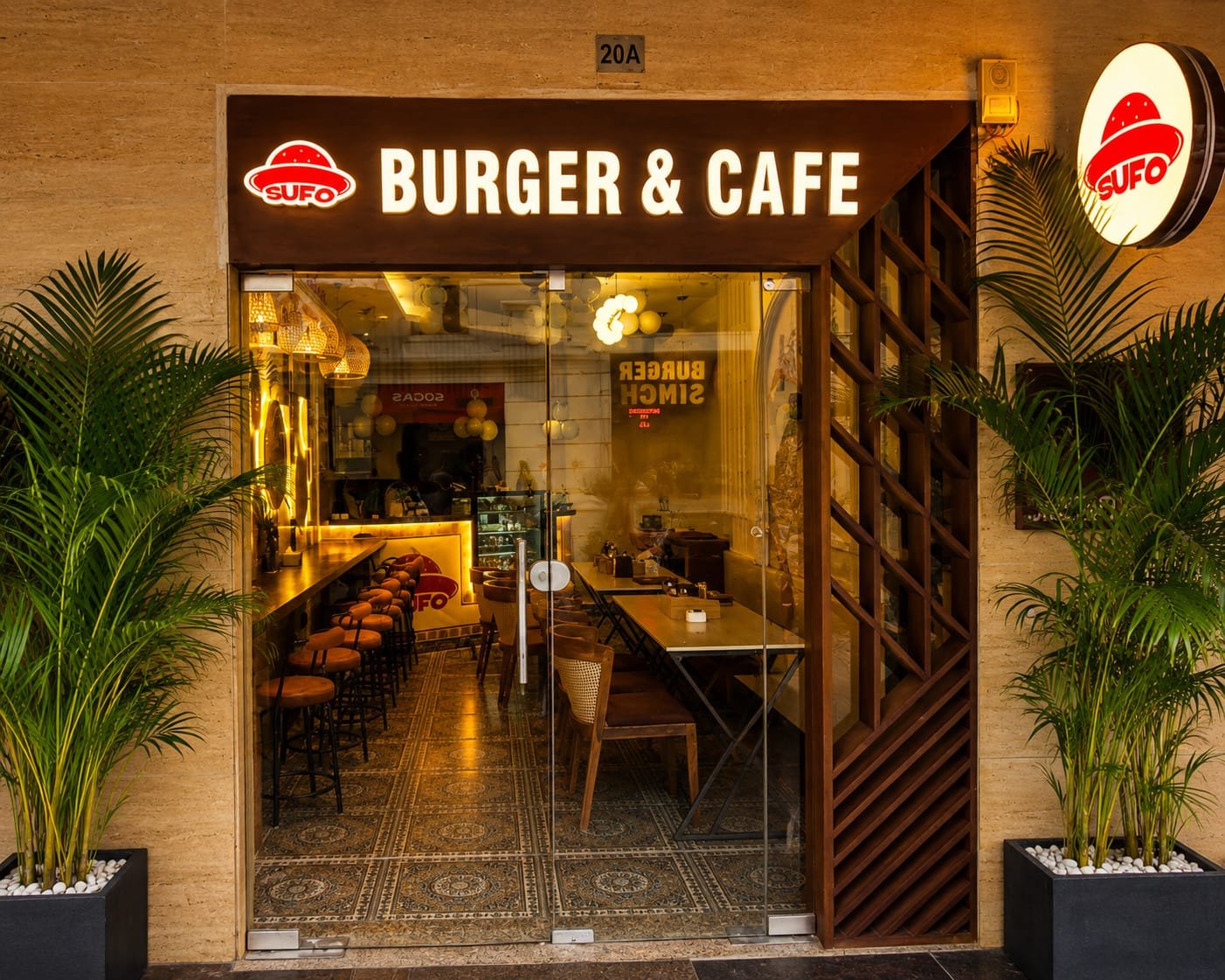
For entrepreneurs interested in a branded burger concept, SUFO offers a distinctive approach to the quick-service food segment.
SUFO’s signature UFO-style burger features a sealed, saucer-shaped design intended to keep the fillings inside while delivering a different burger experience. The brand combines this product concept with a franchise offering designed for people interested in exploring a food business.
SUFO’s franchise information highlights support areas such as store setup guidance, team training, kitchen and operational systems, branding, marketing, and ongoing franchise assistance. The specific support available should be confirmed for the chosen franchise format and agreement.
For someone researching a burger kiosk business, it is worth understanding how the brand’s concept, operating requirements, and support structure align with their location, experience, and budget.
Before proceeding, ask the franchise team for a detailed cost breakdown, equipment specifications, expected working capital, applicable fees, and the responsibilities of both parties.
You can learn more about the available options on the SUFO Franchisee page.
How to Evaluate a Burger Kiosk Before Investing
A clear checklist can help you compare opportunities and avoid making a decision based only on the appeal of the food concept.
Step 1: Research Your Local Market
Identify your target customers and study nearby food outlets. Look at menu prices, customer reviews, peak hours, popular products, and the level of competition.
If you are considering a location in Lucknow, for example, compare potential sites based on actual footfall, accessibility, local demand, and occupancy costs rather than relying on general claims about the city.
Step 2: Calculate Your Total Investment
Request written estimates for the complete setup. Include equipment, interiors, signage, initial inventory, deposits, registrations, staff costs, launch marketing, and working capital.
For a franchise, distinguish between the franchise fee and the total amount needed to open and operate the outlet.
Step 3: Estimate the Break-Even Point
Work out how much the business needs to sell to cover its expenses.
A simple calculation is:
Break-even orders per day = Monthly fixed costs ÷ Contribution per order ÷ Operating days per month
Here, contribution per order means the selling price minus the variable costs directly associated with fulfilling that order.
For example, suppose monthly fixed costs are ₹90,000, and the contribution after variable costs is ₹60 per order. With 30 operating days, the business would need approximately 50 orders per day to cover those fixed costs.
This is an illustrative calculation, not a forecast for SUFO or any specific kiosk. Actual figures will depend on the outlet’s costs, sales mix, operating days, and other expenses.
Step 4: Check Food Safety and Local Requirements
Food businesses must comply with applicable food safety requirements. Before opening, verify the appropriate FSSAI registration or licence category, local municipal permissions, premises requirements, and any other approvals applicable to your business.
The FSSAI licensing and registration framework was revised in 2026, including changes effective from 1 April 2026. Therefore, use the current eligibility guidance on the official FSSAI FoSCoS portal rather than relying on older articles that may state outdated turnover limits.
Step 5: Review the Franchise Agreement
If you choose a franchise, ask for written details about fees, training, marketing responsibilities, approved suppliers, territory, contract duration, renewal, termination, and ongoing support.
Speak with existing franchisees where possible, and review financial projections independently. A professional adviser can help you understand the commercial and legal commitments before you sign.
Frequently Asked Questions
1. What are the best small food business ideas in India?
Options include tea and coffee stalls, snack outlets, home-based bakeries, cloud kitchens, beverage businesses, and burger kiosks. The right choice depends on your budget, local demand, operating skills, and business goals.
2. Is a burger kiosk suitable for first-time entrepreneurs?
It may be suitable for first-time entrepreneurs who are willing to learn food operations, customer service, inventory management, and financial planning. A focused menu or a franchise support system may help structure the process, but neither removes the risks of running a business.
3. How much investment is required to start a burger kiosk in India?
There is no single investment figure that applies to every burger kiosk. Costs depend on the city, rent, kiosk size, equipment, interiors, staffing, inventory, working capital, and whether you operate independently or join a franchise. Request a detailed, location-specific estimate before investing.
4. Is a burger franchise better than starting my own burger shop?
A franchise may offer brand recognition, operating guidance, and training, while an independent shop provides greater control over decisions. Compare the costs, responsibilities, support, and agreement terms before deciding.
5. Which location is best for a burger kiosk?
Shopping areas, food courts, commercial districts, and suitable neighbourhood markets may be worth investigating. The best location is the one where customer demand, accessibility, rent, competition, and operating costs support a viable business.
6. What licences are required to open a burger kiosk in India?
The applicable requirements depend on the business type, location, premises, and current regulations. Check the appropriate FSSAI registration or licence category and confirm any municipal, trade, fire-safety, or other approvals relevant to your specific setup with the relevant authorities.
7. Does SUFO offer burger kiosk franchise opportunities?
SUFO provides franchise information for entrepreneurs interested in its burger concept. Visit the official SUFO Franchisee page or contact the brand directly to confirm the currently available formats, investment requirements, eligibility, and support.
Final Thoughts: Is a Burger Kiosk Right for You?
A burger kiosk can be worth exploring if you want to enter the food-service industry with a focused menu and a quick-service format. However, the decision should come after researching local demand, comparing locations, calculating operating costs, and understanding the day-to-day work involved.
If you prefer to develop your own concept, an independent kiosk may suit your goals. If you would rather explore an established brand and a structured operating model, a burger franchise may be worth considering.
For entrepreneurs interested in a distinctive sealed-burger concept, SUFO offers an opportunity to explore a branded burger kiosk business alongside its other franchise formats.
Take time to compare the available options, ask the right questions, and evaluate the numbers before making your decision.
Interested in exploring a SUFO franchise?
Visit sufo.in/franchisee to learn more about the available opportunities and discuss the next steps with the team.



Leave A Comment